SADFONS/CARI Project Cultivates 15 Hectares of Best-Performing Lowland Rice, Anticipates Yielding Over 30 Metric Tons
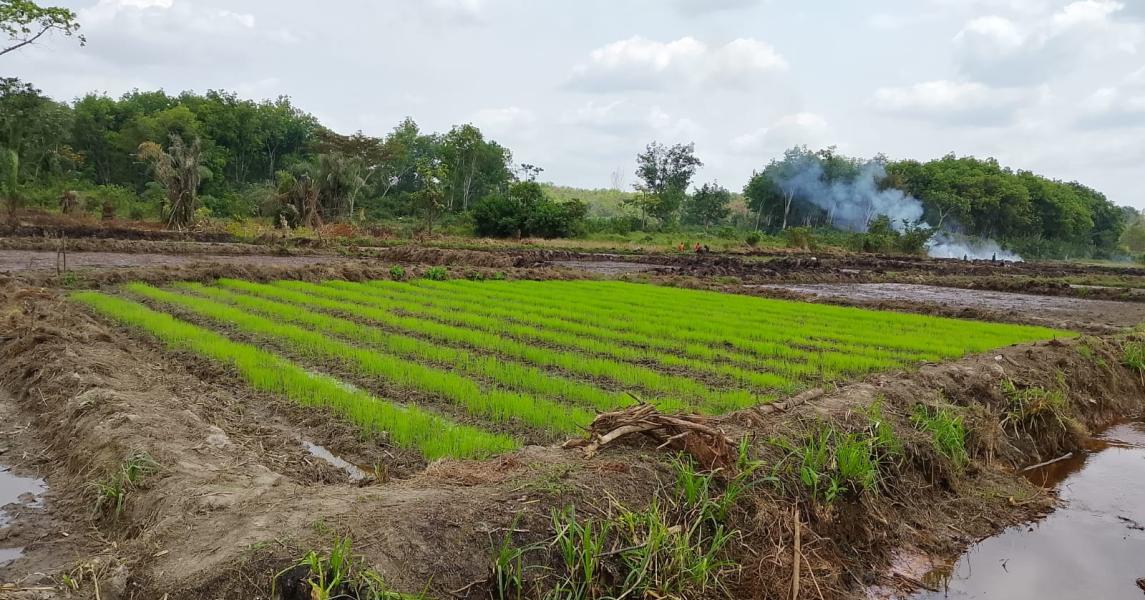
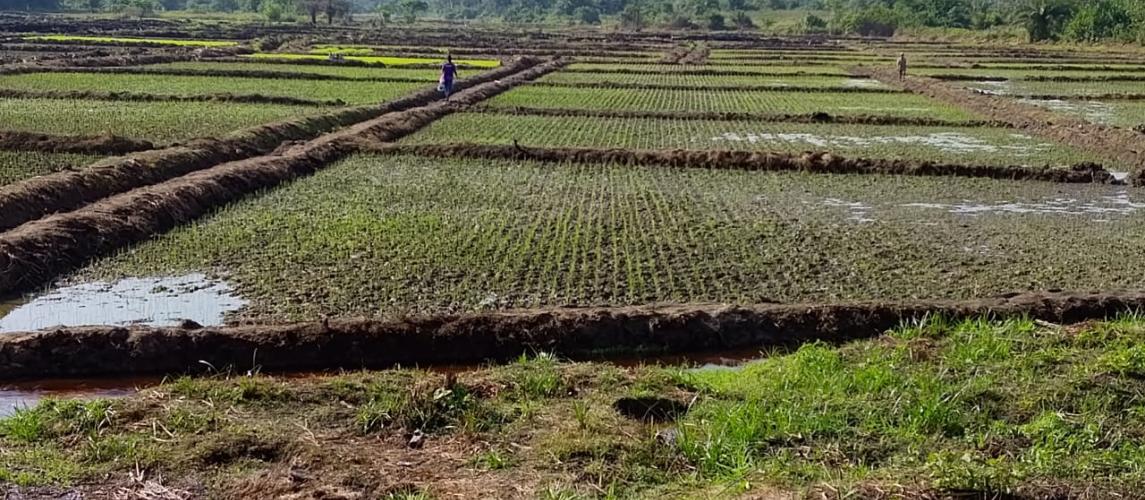
SINJE, Bong County – On the fertile lowlands approximately two kilometers along the Gbarnga highway in Bong County, a new chapter in Liberia’s agricultural journey is unfolding. The Central Agricultural Research Institute (CARI), through the Smallholder Agriculture Development for Food and Nutrition Security (SADFONS) Project, has initiated the cultivation of more than 15 hectares of rice, with the expectation of harvesting over 30 metric tons. This demonstration site is not only a field of promise but also a symbol of innovation and resilience in Liberia’s fight against food insecurity.
Guided by CARI’s team of agronomists and seed specialists, the project is producing six of Liberia’s best-performing rice varieties. These include Suakoko-8, Nerica L-19, Orylux-6, and LAC-23 (Bold Grain and Red Husk), all of which are recognized for their adaptability and yield potential. Two additional varieties, IR-841, valued for its low starch content, and LAC-23 Red Rice, favored for its health benefits, particularly for individuals with diabetes, add diversity to the portfolio. Together, these varieties represent a strategic blend of productivity, nutrition, and resilience.
Funded by the Global Agriculture Food Security Program (GAFSP) and the African Development Bank (AfDB), the SADFONS Project is implemented by the Government of Liberia through the Ministry of Agriculture. Its mission is ambitious yet vital: to promote inclusive agricultural growth, reduce poverty, and strengthen food security for more than 11,000 low-income farming households across eight counties. By focusing on smallholder farmers, the project ensures that the benefits of agricultural innovation reach those who need them most.
Beyond rice cultivation, CARI is producing foundation seeds across three value chains: cassava, vegetables, and rice. These seeds are distributed to farmer-based organizations, who then multiply them into certified seeds for wider use. This seed system strengthens Liberia’s agricultural productivity, ensuring that farmers have access to high-quality planting materials that can increase yields and transform livelihoods.
During a field visit on Thursday, February 12, 2026, Samuel Z. Mulbah, Field Supervisor of the Suakoko District site, emphasized the importance of the varieties under cultivation. “These six varieties are not only high-yielding but also tailored to meet diverse nutritional needs,” he explained, underscoring the project’s dual focus on productivity and public health.
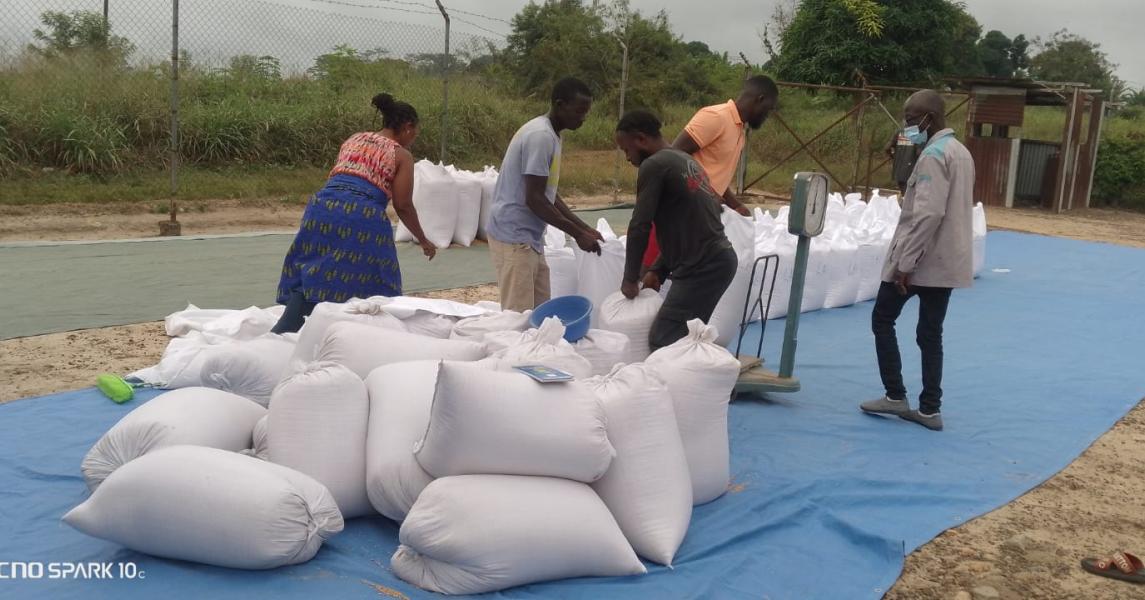
Mulbah further noted that of the 31 metric tons of targeted seed rice expected by the end of March, the CARI project team has already processed and bagged over 20 metric tons from recent harvests from both on-station and off-station sites.
The project is also making strides across eight counties, Grand Gedeh, River Gee, Maryland, Grand Bassa, Bomi, Montserrado, Bong, and Margibi, where it works with 24 out-grower groups. In December 2025, training sessions were conducted with these farmers on certified seed production protocols and basic agronomic practices, ensuring that they are not just beneficiaries but active participants in Liberia’s agricultural transformation.
As rice grows gently in the Sinje lowlands, it carries with it the hopes of communities across Liberia. The anticipated harvest of 30 metric tons during this production cycle is more than a statistic; it is a testament to what can be achieved when research, innovation, and farmer empowerment converge.
For Liberia, this project is more than a demonstration site; it is a beacon of progress toward food security, poverty reduction, and sustainable certified seed production, with the full collaboration of the Seed Development Certification Agency.
Additionally, the project team at CARI, led by Joseph S. Woah, facilitated the disbursement of funds to support outgrowers in preparing their farmland. This financial assistance was complemented by technical backstopping, ensuring that both outgrowers and field technicians received the necessary guidance to optimize productivity. Rolled out across eight counties, the initiative underscores CARI’s commitment to strengthening agricultural capacity at the grassroots level.
“This integrated approach is expected to enhance yields, improve livelihoods, and contribute meaningfully to the broader goals of agricultural research and national food security under the astute leadership of President Joseph Nyuma Boakai,” Woah stated.
Mr. Woah, a result-oriented and hands-on agronomist, highlighted that the exercise not only provided critical resources for land preparation but also reinforced knowledge transfer and hands-on support, emphasizing, “by combining financial inputs with technical expertise, the program created a more enabling environment for sustainable farming practices”.
“With funding from GAFSP and the African Development Bank, under the technical and administrative guidance of the National Coordinating Office (SADFONS) at the Ministry of Agriculture, I trust members of my team, resilient and result-driven, to deliver the tasks at hand on the project,” he affirmed.