NOURISH Family Farms and CARI Strengthen Partnership for Sustainable Agriculture and Food Security
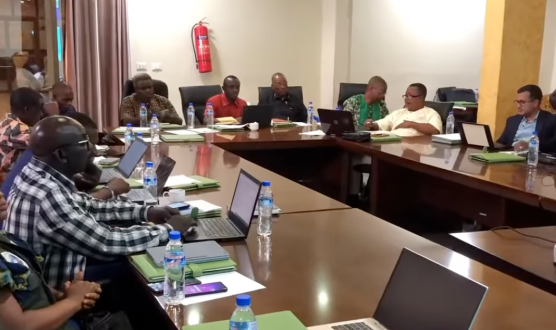
Victor Ngorbu, Head of Food Security and Livelihoods at AAH, presented the project’s implementation strategy. He noted that the initiative aims to establish a sustainable organic input value chain capable of improving livelihoods while contributing to more resilient food systems. According to him, the project addresses several longstanding challenges in Liberia’s agriculture sector, including low productivity among smallholder farmers, declining soil fertility, poor management of organic waste, limited access to quality and affordable organic inputs, high costs of conventional fertilizers, weak links between research institutions and farmers, and inadequate private sector investment in the organic input market.

CARI Finance Director Completes First Field Visit, Commits to Lobbying for Greater Research Support
The visit provided the Director of Finance and Administration with firsthand exposure to ongoing programs, the challenges faced by researchers, and the growth opportunities. It also reinforced his commitment to lobby for increased budgetary support to strengthen agricultural innovation and ensure that CARI fulfills its mandate as Liberia’s premier agricultural research institution.

CSA Director General Engages CARI Management, Underscores Role of Central Region Headquarters in Strengthening Civil Service Delivery
The CSA Director General disclosed that the Gbarnga Regional Headquarters is scheduled for completion in December 2026 and will be formally dedicated in January 2027. The complex will feature modern office spaces, conference facilities, and parking lots, serving as a model for replication in other regions of Liberia.
Fish Farming: Vital Frontier for Economic Empowerment, Environmental Stewardship, and National Food Sovereignty
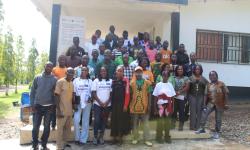
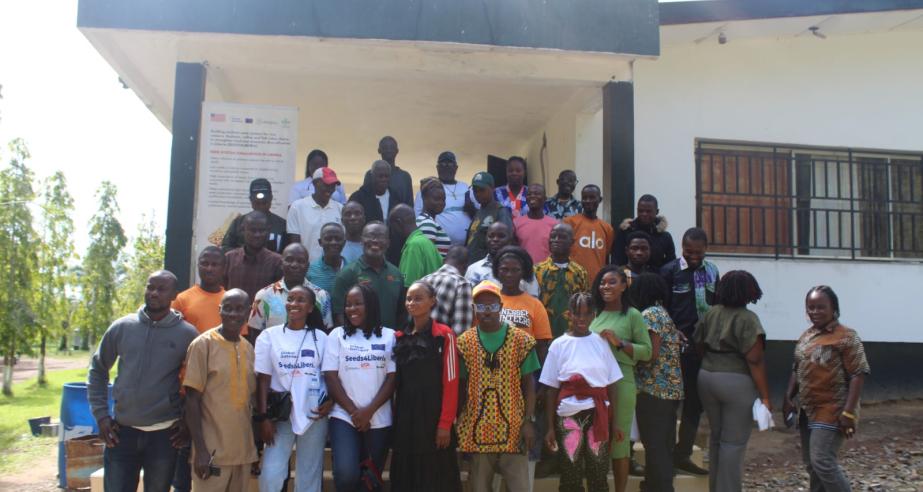
The training, running from 2025–2029 under the Global Gateway Private Sector Development in Liberia initiative, brings together participants from diverse sectors including cassava, wood, youth, fisheries, aquaculture, and persons living with disabilities (PLWDs).
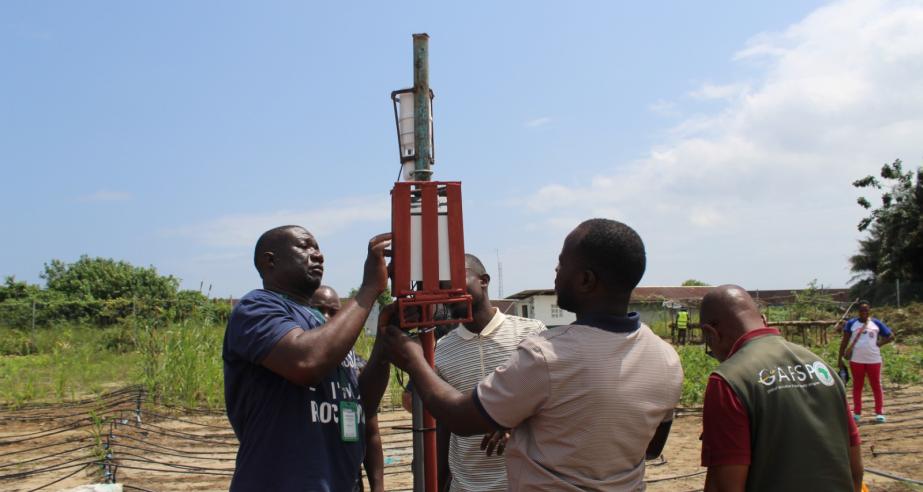
CARI- RESADE Project Installs Scientific Sensors at Buchanan Best Practice Hub to Advance Climate-Smart Agriculture
Purpose of the Sensors: conduct soil monitoring, tracking moisture levels, senility, and nutrient content to optimize crop growth; record rainfall, temperature, and humidity to support climate-smart planning and water management, measuring water quality and availability for irrigation systems.