CARI, Southeastern Farmers Federation Forge Strategic Partnership to Accelerate Agricultural Development in Southeastern Liberia
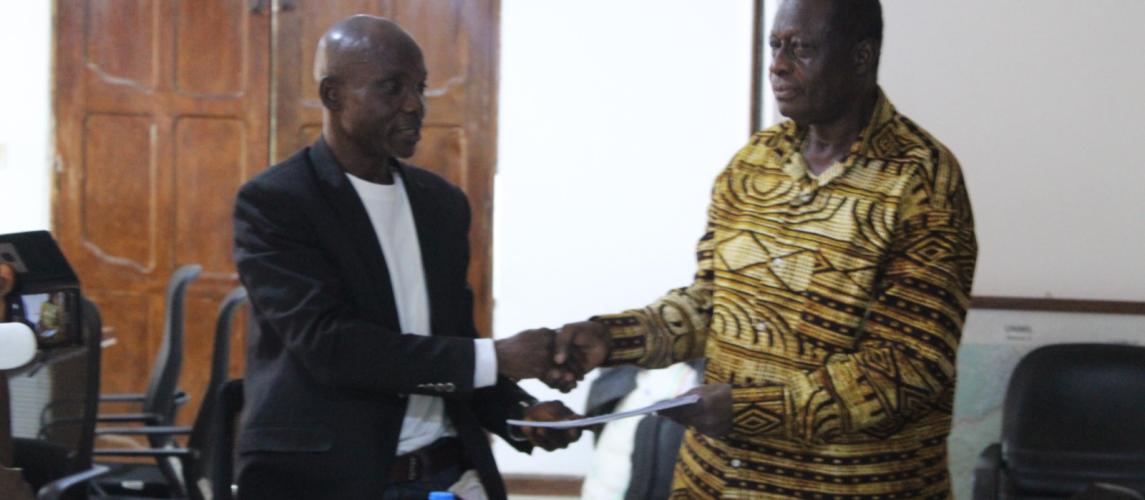
SUAKOKO, Liberia – The Central Agricultural Research Institute (CARI) has reinforced its commitment to expanding the reach of agricultural innovation by signing a landmark Memorandum of Understanding (MoU) with the Union of Southeastern Farmers Federation (USEFF), establishing a framework for collaboration aimed at increasing agricultural productivity, strengthening food security, and improving the livelihoods of farming communities across southeastern Liberia.
The agreement marks a significant step in CARI's efforts to ensure that research-generated technologies and innovations are effectively transferred to farmers, particularly in rural and underserved communities. By combining CARI's scientific expertise with USEFF's extensive network of farmers, the partnership is expected to accelerate the adoption of improved agricultural practices and contribute to sustainable agricultural transformation in the region.
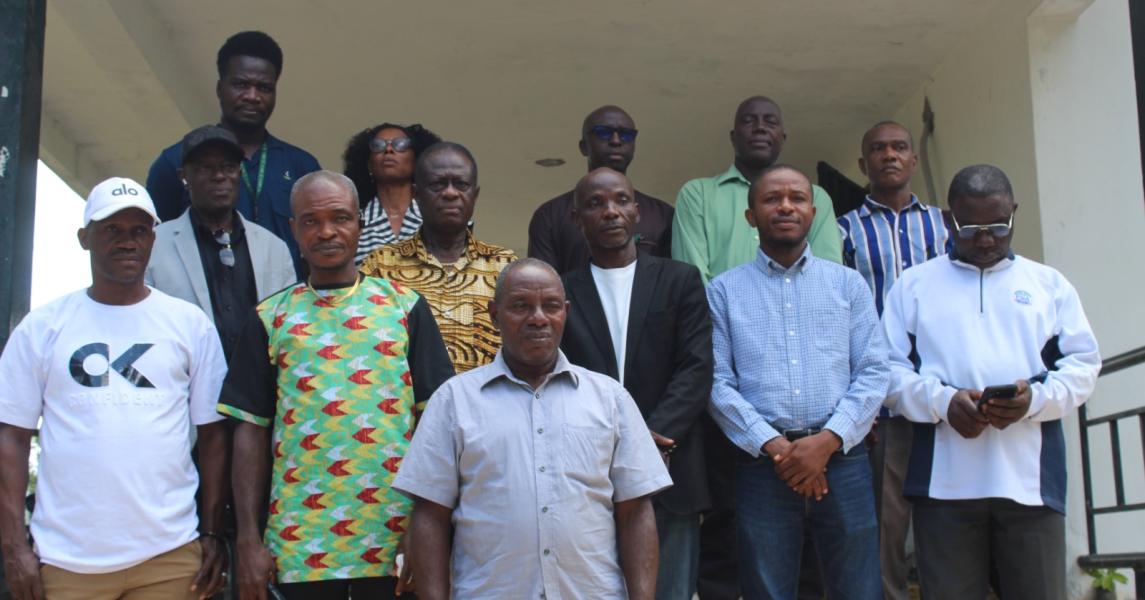
The signing ceremony, held at CARI headquarters in Suakoko, brought together leaders from both institutions, researchers, and farmer representatives from across southeastern Liberia.
Welcoming the USEFF delegation, William F. Kotee, Jr., Director of Finance and Administration, reaffirmed CARI's dedication to developing practical solutions that respond directly to the needs of farmers. He emphasized that partnerships between agricultural research institutions and farmer-based organizations are critical for bridging the gap between scientific research and agricultural production.
Providing an overview of the Institute's mandate and strategic direction, Dr. Quaqua Mulbah, Deputy Director General for Research and Senior Plant Breeder, described CARI as Liberia's premier agricultural research institution with responsibility for generating technologies and innovations that improve productivity, strengthen food security, and support national development.
According to Dr. Mulbah, collaboration is at the core of CARI's research agenda.
"CARI coordinates and provides oversight for agricultural research throughout Liberia. We work closely with national and international partners because collaboration enables us to leverage resources, avoid duplication of effort, and generate greater benefits for farmers and the country as a whole."
He emphasized that the partnership with USEFF reflects CARI's commitment to ensuring that research outputs deliver tangible benefits to farming communities while supporting broader environmental and socioeconomic objectives.
"Our work goes beyond conducting research. We are committed to promoting environmentally sustainable agricultural development while contributing to a stronger and more vibrant rural economy. Through this partnership, we will work with USEFF to introduce improved agricultural technologies and jointly implement programs that directly address the challenges and opportunities facing farmers in southeastern Liberia."
Dr. Mulbah explained that the collaboration will focus on several strategic areas, including technology dissemination, farmer capacity building, improved agronomic practices, postharvest management, value addition, seed multiplication, and socioeconomic research.
He noted that reducing postharvest losses and increasing value addition remain critical priorities for improving farm profitability and creating opportunities throughout agricultural value chains.
"Together, we can promote best agronomic practices, improve processing technologies, reduce postharvest losses, strengthen value chains, and undertake socioeconomic research that helps farmers increase their incomes and improve their livelihoods. We believe this collaboration will create meaningful and lasting impacts for farming communities throughout the southeastern region."
The Deputy Director General further highlighted the importance of ensuring that agricultural technologies are not only scientifically sound but also practical, affordable, and responsive to the realities faced by farmers.
According to him, the partnership will provide an important platform for translating research results into farmer-centered solutions capable of addressing challenges related to productivity, climate resilience, market access, and food security.
In a special statement, Dr. Arthur Bob Karnuah welcomed the agreement and described the partnership as an important milestone for agricultural development in southeastern Liberia.
The Director General expressed confidence that the collaboration would create new opportunities for joint research initiatives, farmer training programs, technology transfer, and sustainable agricultural growth.
Dr. Karnuah noted that CARI remains committed to working with organizations that share its vision of advancing agricultural development and empowering farmers through access to improved technologies, knowledge, and technical support.
On behalf of the Union of Southeastern Farmers Federation, Isaiah B. Dapaye, Coordinator and Acting President, underscored the significance of the partnership for farmers across the five southeastern counties.
He explained that since the federation launched its farmer mobilization and recruitment campaign in November 2024, USEFF has continued to strengthen its presence throughout the region and has become an important platform for farmer representation and advocacy.
Dapaye stressed that one of the greatest challenges facing many farmers is limited access to modern technologies, improved production practices, and technical assistance. He noted that the partnership with CARI presents an important opportunity to address these constraints.
"This partnership will help connect farmers with improved technologies, research-based innovations, training opportunities, and technical support that can help increase productivity and build resilience. We believe that by working together, we can create better opportunities for farmers and strengthen agricultural development throughout southeastern Liberia."
USEFF serves as a regional umbrella organization representing more than 200 farmers in Sinoe, Grand Kru, Maryland, River Gee, and Grand Gedeh Counties. The federation was established to mobilize and advocate for farmers' interests while facilitating access to agricultural services, financing opportunities, markets, government initiatives, and development programs.
Under the terms of the MoU, CARI and USEFF will collaborate in areas including agricultural research, technology dissemination, improved seed and crop production, knowledge sharing, and farmer capacity development. The agreement also lays the foundation for future joint initiatives to increase agricultural productivity and strengthen farming systems across southeastern Liberia.
Both institutions expressed optimism that the partnership will not only improve access to agricultural innovations but also strengthen the connection between research and farming communities, ensuring that scientific discoveries and technologies lead to measurable improvements in crop production, household incomes, food security, and rural livelihoods.
The USEFF delegation included county platform representatives Wellington G. Dennis (Sinoe County), Samuel S. Tarlue (Grand Gedeh County), Oliver S. Truew (Grand Kru County), and G. Pele Gowah (Grand Gedeh County), who joined the Acting President and National Coordinator at the signing ceremony. During the early phase, the membership was over 1,000 farmers, though the federation has a target of more than 2,000 farmers in the region.
As CARI continues to expand partnerships that promote research uptake and farmer empowerment, the agreement with USEFF demonstrates the Institute's commitment to ensuring that agricultural innovation remains a driving force for sustainable development and economic prosperity across Liberia.