EPA and Partners Strengthen CARI Agromet Technicians’ Capacity to Tackle Climate Risks at Research Institute
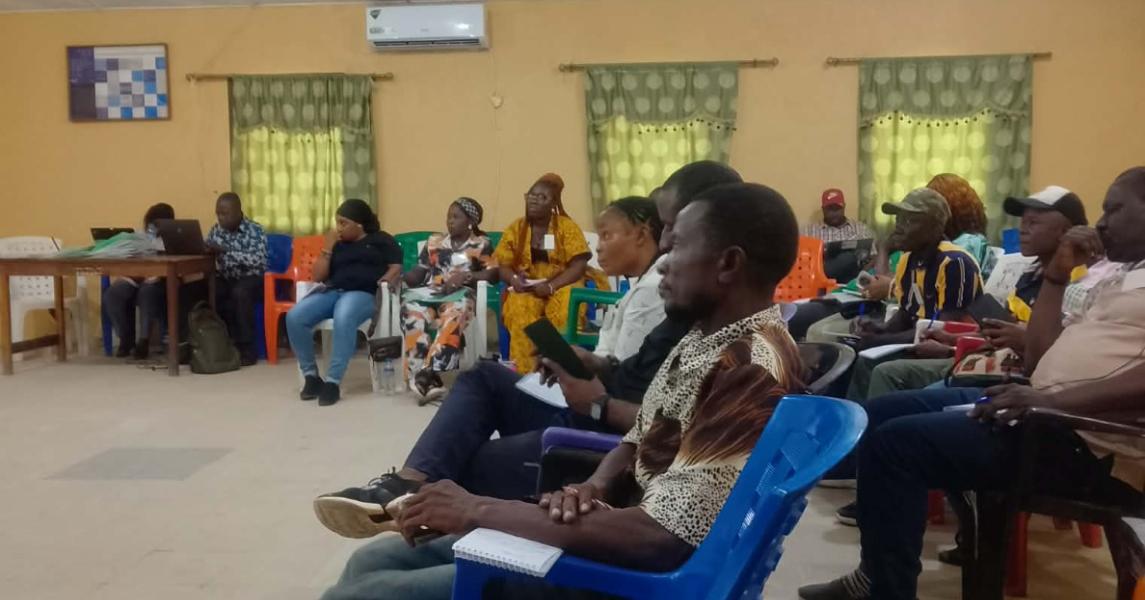
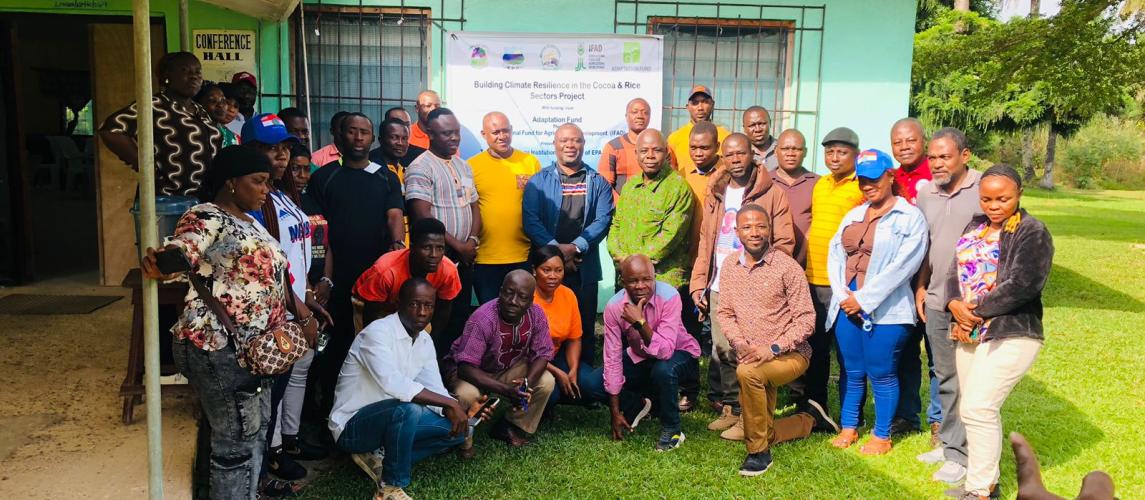
GBARNGA, Bong County – The Environmental Protection Agency (EPA) of Liberia, in collaboration with the Ministry of Agriculture (MOA) and the International Fund for Agricultural Development (IFAD), has successfully conducted a specialized training workshop in Gbarnga, Bong County. The initiative was designed to enhance the technical capacity of agrometeorological (Agromet) technicians and farmers, particularly those engaged in cocoa and rice production, to better manage climate risks and strengthen resilience in Liberia’s rural communities.
The workshop, held under the theme “Building Climate Resilience Capacity in Cocoa and Rice Sectors, emphasized the importance of climate-smart agricultural practices. Kelvin T. Kollie, GIS Specialist, underscored the government’s commitment, through MOA and IFAD, to equip farmers and technicians with the tools and knowledge necessary to adapt to climate change.
According to Mr. Kollie, the training targeted 55 EPA staff and county antennas, aiming to improve their ability to understand climate impacts on agriculture, apply environmental and social safeguards, conduct real-time monitoring of natural resources, and utilize hydromet and climate information effectively.
He further noted that the program builds competence in interpreting weather station data, supporting early-warning systems, and fostering inter-agency collaboration with MOA, CARI, the Liberia Meteorological Service (LMS), and the Liberia Hydrological Service (LHS). “By improving technical skills, data use, and collaboration, EPA will be better positioned to provide regulatory oversight, guide climate-resilient interventions, and contribute meaningfully to national adaptation efforts,” Mr. Kollie explained.
The workshop featured presentations from four facilitators who addressed critical aspects of climate resilience.
Albert M. Sherman, Director of the Liberia Meteorological Service, highlighted the role of agro-meteorology in farming decisions. He explained the distinction between satellite (estimated) and ground station (real-time) data, stressing the need to compare both before planting or harvesting to minimize losses.
Dr. Yusuf M. Sarnoh, Climate Specialist at EPA, analyzed temperature rise and rainfall patterns, warning of their potential impact on rice and cocoa production. He emphasized that agriculture, contributing about 35% of Liberia’s GDP, remains highly vulnerable to climate risks, making resilience strategies indispensable.
Steve Jones, Weather Forecaster at LMS, discussed climate resilience risks affecting cocoa and rice value chains. He stressed the importance of accurate forecasting to enable farmers to adopt preventive measures and reduce climate-related losses.
Z. Elijah Whapoe, Head of Climate Change at EPA, underscored the significance of the IFAD-sponsored workshop in building the capacity of District Extension Officers (DEOs), County Agricultural Coordinators (CACs), and farmers. He urged participants to take the training seriously as part of Liberia’s broader national effort to achieve climate resilience goals.
The training brought together representatives from various districts and farming communities, including DEOs, CACs, and local farmers. Participants expressed strong enthusiasm for the knowledge gained, particularly on how climate resilience strategies can safeguard cocoa and rice production, two critical sectors in Liberia’s agricultural economy.
By strengthening the technical and operational capacity of EPA and its partners, the workshop represents a significant step toward ensuring that Liberia’s agricultural sector can withstand the growing challenges posed by climate change.