Grand Bassa Farmer Field School Showcases Farmers and Students Turning Local Crops into Nutritious Recipes
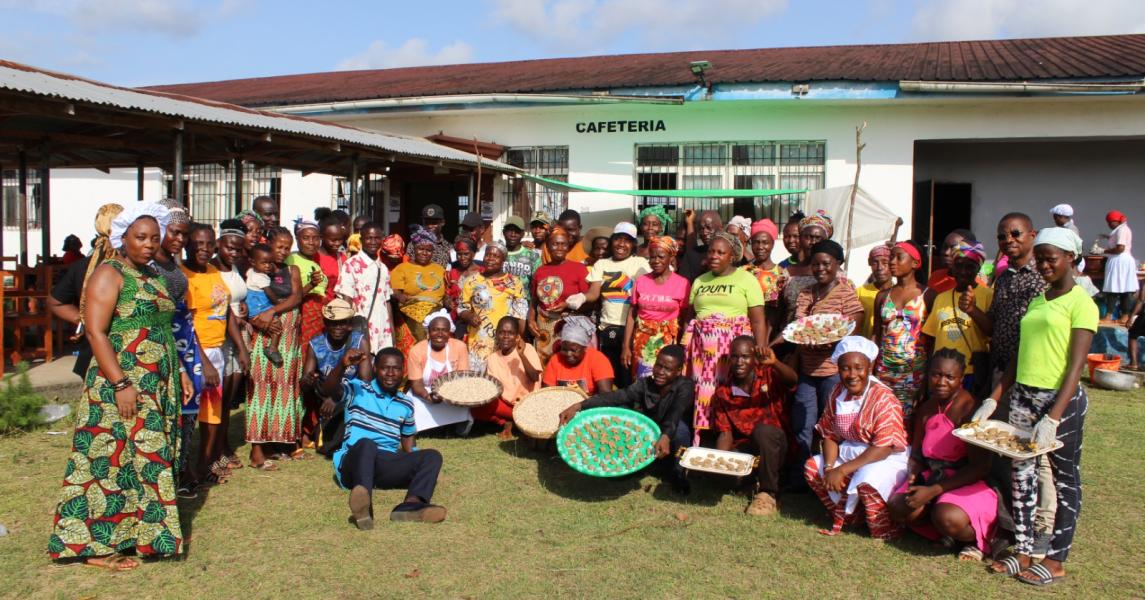
BUCHANAN, Grand Bassa County – A group of agriculture and food science students at the Grand Bassa University, including 240 farmers from six cooperative groups, gathered for a four-day Farmer Field School (FFS) on Crop Recipe Creation, transforming local crops into nutritious, marketable foods that strengthen household diets and community resilience.
The training, held from May 13–16, was led by Dr. James S. Dolo, National Coordinator of the RESADE-CARI Project, supported by a multidisciplinary team including Extension Specialist Mercy K. Lah, Food Science Specialist Jamesetta Davis (Lead), Field Facilitator Emma Jao, and Communications Specialist Mark B. Newa.
Driving food security and climate-smart innovation, the program focused on value addition and dietary diversification using three climate-resilient value chains: pearl millet, cowpea, and soybean. Farmers participated in hands-on sessions to create culturally relevant recipes, including Cowpea-Wheat Cake, Spicy Millet Drink, Pearl Millet Kanyen, Soy Chocolate Milk, and Soy Tofu. In Grand Bassa County, the project introduced cowpea, pearl millet, and sorghum to local farmers for adaptation and use in diversified farming systems.
“These recipes are more than food, they are tools for nutrition security and local enterprise,” said Jamesetta Davis, who emphasized millet’s health benefits, noting its role in protecting against hypertension, diabetes, and high cholesterol.
For the Pearl Millet Kanyen, farmers learned to wash, dry, pound, roast, and cluster millet flour with groundnuts and sugar into bite-sized snacks.
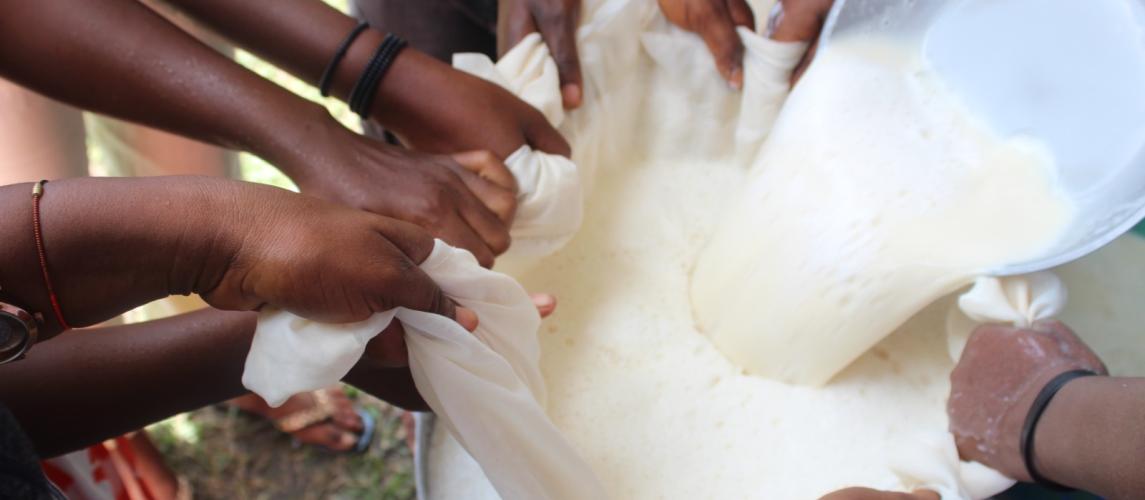
The spicy millet drink had a refreshing blend of millet, ginger, cloves, turmeric, and alligator pepper, fermented overnight and served chilled, while the cowpea-wheat cake, guided by Mercy Lah, the participants baked nutrient-rich cakes combining cowpea flour with wheat, eggs, and milk, packed with amino acids and antioxidants. For the soy innovations, Emma Jao introduced soy-based recipes, including homemade soy milk and tofu, highlighting their protein value and versatility in household diets.
The atmosphere was vibrant as farmers pounded millet, blended spices, and baked cakes in cooperative teams. “We see these recipes as opportunities to improve family nutrition and create small businesses,” one participant shared enthusiastically.
The engagement showcased a high level of participation with students and farmers who demonstrated enthusiasm for crop diversification. The exercise also provided an opportunity for knowledge transfer, where practical skills in food processing and recipe formulation were widely adopted.
The training also enabled value chain strengthening by integrating millet, cowpea, and soybean into diets, reinforcing their role as climate-smart, income-generating crops, and community replication, as cooperative members pledged to replicate recipes in their communities, while promoting nutrition and enterprise.
The FFS achieved notable results. It showcases how local crops can be transformed into nutritious, marketable recipes, reinforcing the RESADE-CARI Project’s mission to empower over 11,000 farmers, enhance food security, and promote climate-smart agriculture.
The initiative demonstrated how local crops can be transformed into nutritious, marketable recipes, reinforcing the RESADE-CARI Project’s mission to empower farmers, enhance food security, and promote climate-smart agriculture.
“This initiative proves that innovation begins in the kitchen and extends to the farm and marketplace,” said Dr. Dolo, calling the program a milestone in advancing sustainable agriculture in Liberia.