CARI Scientists and Research Officers Conclude Mid Year Review Seminar, Advancing Applied and Adaptive Agricultural Research for National Development
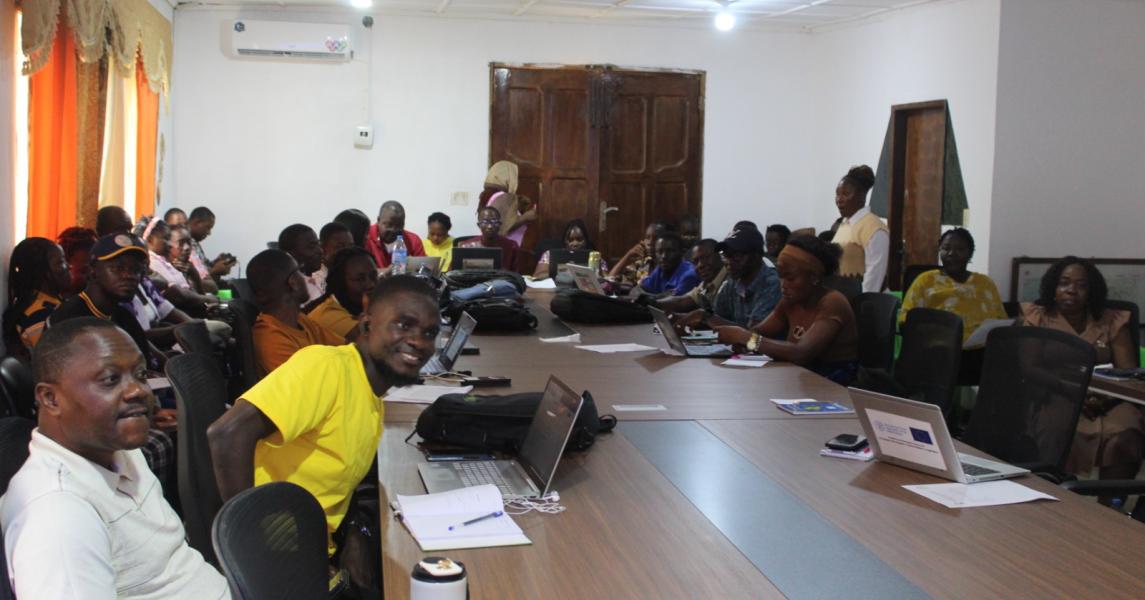
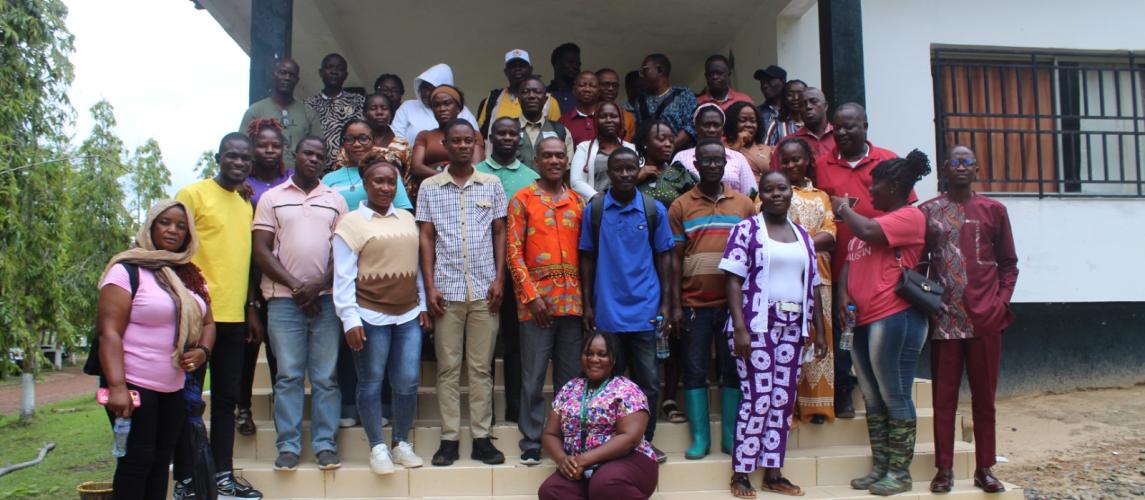
SUAKOKO, Liberia – The Central Agricultural Research Institute (CARI), through its Seminar and Research Committee, has concluded a three-day mid‑year review seminar that brought together scientists, research officers, program heads, project coordinators, and stakeholders to exchange knowledge and reinforce institutional performance.
In his opening remarks, Director General Dr. Arthur Bob Karnuah underscored that research is the lifeblood of CARI’s mandate. He emphasized the importance of producing high‑quality, publishable outputs that advance agricultural innovation and inform national policy.
The Director General explained that the seminar was designed to showcase ongoing research in soil management, pest surveillance, and climate‑smart agriculture; to foster collaboration among researchers, policymakers, and development partners; and to build capacity among young scientists through mentorship and knowledge sharing.
The seminar featured presentations from senior researchers on projects aligned with program and institutional priorities. Discussions also addressed challenges such as limited equipment and human resource gaps, while calling for stronger partnerships with universities and international research bodies. Participants committed to institutionalizing regular seminars as part of CARI’s research culture.
Dr. Karnuah reiterated that CARI’s vision is not only to generate knowledge but also to ensure its adoption in the field. He urged participants to remain focused on producing bankable proposals and evidence‑based recommendations that can attract external support and drive sustainable agricultural development in Liberia.
The Director General described research officers as the “nerves of the institute,” ensuring that every study, survey, and innovation contributes meaningfully to national development goals. He stressed that farmers are the direct beneficiaries of agricultural research and technologies developed by the institute, noting: “CARI must fully execute its mandate to contribute to the government’s ARREST Agenda, particularly efforts to strengthen the agricultural sector and improve food production.”
At the close of the seminar, Dr. Karnuah reminded researchers that the three days of presentations, critiques, and analyses were deliberate efforts to sharpen their minds and strengthen their capacity to excel. He expressed anticipation for the upcoming December seminar, noting that it will provide another opportunity for researchers to demonstrate improvement after incorporating feedback.
He further announced that after the year‑end seminar in December, CARI plans to elevate its platform in 2027 by hosting a national research seminar, extending and inviting senior researchers from outside the institute. This expansion, he emphasized, will reinforce CARI’s leadership role in agricultural innovation and broaden collaboration across Liberia’s research community.
Meanwhile, Dr. Quaqua Mulbah, Deputy Director General for Research and Chairperson of the Seminar Committee, emphasized that presentations must align with CARI’s program mandates and the broader agenda of the Government of Liberia. He noted that the seminar is not merely a platform for sharing findings but a strategic exercise in reinforcing institutional relevance.
He urged presenters to frame their work in ways that demonstrate clear impact on food security, climate resilience, and farmer livelihoods. The Chairperson concluded by encouraging participants to maintain rigor, clarity, and purpose in their presentations, reminding them that the strength of CARI lies in the collective commitment of its researchers to advance Liberia’s agricultural transformation.
CARI remains Liberia’s only national agricultural research institute mandated to conduct applied and adaptive research. The institute focuses on developing innovations, improved agricultural technologies, and farming practices that farmers can adopt to increase production, improve livelihoods, and strengthen food security.
The three-day seminar featured diverse presentations across CARI’s seven thematic research areas:
-
Crop Research – advancing improved varieties and farming practices.
-
Biotechnology and Laboratory Services – applying modern science to enhance productivity.
-
Natural Resource Management – promoting sustainable soil, water, and land use practices.
-
Socioeconomics and Applied Statistics – analyzing farming systems, livelihoods, and policy impacts.
-
Agricultural Mechanization, Irrigation, and Engineering – deploying machinery and irrigation technologies to boost efficiency.
-
Aquaculture, Livestock, and Inland Fisheries – strengthening animal production and fisheries for food security.
-
Post‑Harvest and Food Processing – improving storage, processing, and value addition to reduce losses and enhance competitiveness.
By spanning these thematic areas, the seminar underscored CARI’s role in generating innovations and evidence‑based solutions that respond directly to the needs of farmers and national development priorities.
The seminar provided a vital platform for researchers to present findings, discuss their potential application in farming communities, and strengthen the link between agricultural research and farmers by promoting the adoption of research‑based technologies and practices.